Building Artificial Roofing vs Standard Materials in the Midwest
@keeganvmqn665
Anyone that has invested a few years enjoying roofing systems age in the Midwest learns rapidly that this region is ruthless. A roof below does not face one environment. It deals with every one of them. January can bring ice dams, wind cool, and hefty snow sitting on the eaves for days. April commonly delivers freeze-thaw swings and tough rainfall. Summer season cooks dark surfaces under strong UV exposure, then rolls in hail storm and straight-line winds. Fall goes down leaves into valleys and seamless gutters, capturing moisture where weak materials start to fail.
That environment reality is the real background for the conversation around building artificial roof versus typical materials. Home owners are no more choosing only on look or preliminary cost. They are weighing weight, weather efficiency, maintenance cycles, setup intricacy, and just how well a roofing will certainly still look after 10 or twenty Chicago-area winter seasons. In higher-end areas, that conversation gets back at much more specific. Individuals desire the aesthetic richness of slate, cedar shake, or floor tile, yet they additionally desire a system that does not punish them with consistent upkeep.
The surge of costs synthetic roofing is not a craze. It is a response to functional troubles that standard roof covering products have constantly had, specifically in the Midwest.
What "building synthetic roof covering" actually means
The term gets utilized loosely, so it assists to define it. Architectural artificial roofing normally describes engineered roof products designed to reproduce the appearance of all-natural slate, cedar shake, or clay floor tile while improving impact resistance, decreasing weight, and simplifying setup. Relying on the producer, these products might be made from innovative polymers, recycled composite blends, or various other crafted materials.
Not all synthetic roofings are developed equal. Some are plainly entry-level choices implied to hit a rate factor. Others hold true premium synthetic roof covering products with deep accounts, shaped texture, customized shade blending, and accessory items that produce a completed, persuading roofline. The difference issues. A deal synthetic roof shingles might look flat and repetitive from the street. A durable architectural item can trick most people up until they are standing a couple of feet away.
In practical terms, the best building artificial roofing systems aim to fix a challenging formula. They try to maintain the curb appeal of legacy products while decreasing several of the responsibilities that include them.
Why the Midwest transforms the equation
A roof covering product that carries out well in a dry, pleasant environment might let down terribly in Illinois, Wisconsin, Indiana, or Michigan. The Midwest subjects weaknesses fast.
Natural cedar, for example, can be lovely. Fresh cedar shake has warmth and deepness that homeowners enjoy. But on homes shaded by mature trees, specifically near the lakeshore or in well-known suburban great deals, wetness retention comes to be a significant concern. Shakes can cup, split, dim erratically, and invite moss or algae development. That does not indicate cedar is an inadequate item. It means cedar demands the appropriate environment and attentive maintenance, which not every homeowner is prepared to provide.
Natural slate is one more example. Correctly sourced and installed slate can last a very long time. It brings unrivaled prestige. Yet slate is hefty, breakable under foot website traffic, pricey to repair, and unforgiving of installation mistakes. In the Midwest, where roof substitute usually complies with storm occasions and insurance timelines, finding staffs with real slate expertise can be challenging. One misplaced step on a chilly early morning can break pieces that after that need specific replacement.
Asphalt roof shingles, the default selection throughout much of the area, fix a few of these problems yet introduce others. They are accessible and familiar, and a top quality architectural asphalt tile remains a practical roofing system for numerous homes. Still, Midwest hailstorm, granular loss, thermal cycling, and wind exposure can shorten real-life efficiency compared with what homeowners anticipate when they hear a long warranty term.
That is why residential synthetic roof covering has actually carved out an expanding location in the marketplace. It rests in between ambition and practicality.
How artificial roofing contrasts to asphalt, cedar, slate, and tile
The strongest case for synthetic roof covering tiles is not that they defeat every standard material in every category. They do not. The case is that they often execute much better across the classifications that matter most to Midwest homeowners.
Asphalt tiles still win on access expense. If budget is the first and overriding concern, asphalt remains one of the most typical solution. A property owner replacing a typical suv roof after tornado damage can commonly keep expenses within a familiar variety with laminated roof shingles. Yet the long-term picture can change if repeated repairs, much shorter service life, or aesthetic restrictions matter.
Cedar provides appeal that is tough to fake when it is new. On historical homes and specific architectural styles, it looks precisely appropriate. Yet its upkeep concern is real. In neighborhoods with heavy tree cover, I have actually seen cedar roofings start showing irregular wear well prior to owners anticipated it. As soon as splitting and wetness biking accelerate, the roofing can go from "weather-beaten and handsome" to "worn out and prone" faster than many individuals are ready for.
Slate is still the standard for prestige, however it brings structural and logistical factors to consider. Some homes require support to sustain it. Repair work needs competent hands. Blinking details become essential. The material itself can last longer than numerous various other parts of your house, yet only if the entire system is treated with that said very same level of care.
Clay and concrete tile are less typical in the upper Midwest than in warmer areas, partly due to style fit and partially since freeze-thaw problems can be penalizing. Tile additionally adds weight and intricacy, and it does not make sense on every roofing structure.
Architectural synthetic roof goes into that mix as a lower-weight, typically impact-rated choice that can imitate slate or shake convincingly while enduring Midwest weather much better than lots of proprietors anticipate. An appropriate artificial roofing replacement can offer the aesthetic statement of a high-end roof covering without requiring the home to lug the architectural load or the very same maintenance demands of natural materials.
Appearance, and the question house owners seldom ask correctly
Most individuals ask whether artificial roof covering looks "real." That is reasonable, but it is not quite the best question. The far better question is whether it looks suitable on the house.
A fantastic roofing is not just a separated product. It needs to fit the scale, design, siding appearance, stonework shade, window trim, and even the profile of the rain gutters and flashing. Some artificial items have heavy shadow lines and differed sizes that match a Tudor, French country, or lakefront custom-made home beautifully. Others look too uniform for a premium develop and can really lower the outside if the pattern repeats also obviously.
This is specifically important with artificial roofing for luxury homes. Customers at the top of the market notification information. They may not identify the maker from the driveway, but they can tell when a roofing system really feels flat, glossy, or out of proportion. The very best premium synthetic roofing items avoid that trouble by mixing widths, astonishing reveals, and making use of blended coloration that looks like natural aging rather than a factory-printed monotone.
In locations such as Naperville, Hinsdale, Lake Woodland, and components of the North Shore, roof covering selection typically converges with architecture review requirements, neighborhood expectations, and resale positioning. A homeowner searching for synthetic roofing Naperville IL is commonly not trying to find the most inexpensive roof covering offered. They are trying to find the right aesthetic outcome with less migraines over time.
Weight matters greater than many people realize
Structural tons is not an attractive subject, but it drives numerous roof choices behind the scenes. Natural slate and tile can consider several times more than asphalt or lots of artificial options. On a brand-new custom construct, an architect and engineer can plan for that from the first day. On an existing home, the tale is different.
I have actually seen house owners fall for the appearance of slate, just to learn that bringing their mounting up to the necessary ability would add a significant price prior to a single roofing tile was mounted. That kind of discovery can derail a task quickly. Artificial roof frequently preserve the wanted look while staying clear of support work.
Lower weight also helps in subtler ways. It can minimize tension on older framing members, simplify staging and handling on site, and make certain roof layouts extra functional to perform. It does not get rid of the demand for proficient labor, however it widens what is practical on an existing Midwest home.
Hail, wind, and effect resistance
This is where synthetic roofing systems frequently gain their maintain. In the Midwest, storm efficiency is not theoretical. Hail claims prevail enough that home owners and insurance companies both pay close attention to impact resistance ratings.
Many premium artificial roof items are crafted to accomplish high impact resistance, commonly better than natural slate or cedar, which can break, split, or contusion under hail. That does not imply a synthetic roofing is unbreakable. Big adequate hail storm can harm practically anything. Yet on equilibrium, well-crafted artificial products tend to absorb effect much more forgivingly than fragile natural products.
Wind performance is also considerable in open suv growths and on homes near areas, fairway, or lakefront exposures. Standard products can fail at bolts, sides, or individual items when uplift forces locate a powerlessness. An effectively created artificial roof covering installation, paired with the proper underlayment and accessory elements, can perform extremely well in those conditions.
The catch is "correctly created." A premium product set up thoughtlessly will not live up to its guarantee. That is why the choice of synthetic roofing contractor matters practically as long as the material itself.
Installation high quality is not a side issue
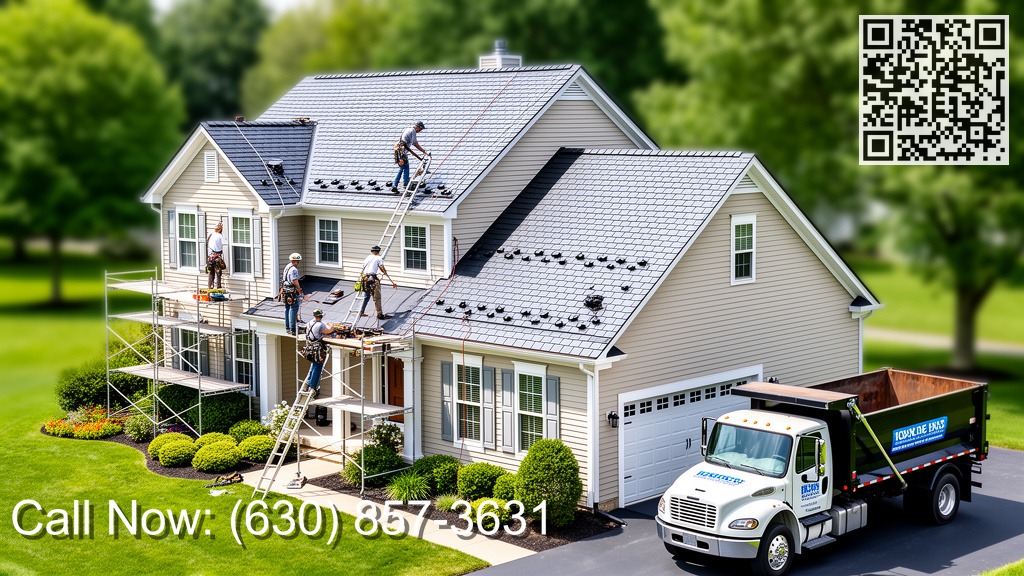
Homeowners in some cases shop roof products as if setup were interchangeable. It is not. An artificial roof covering company that comprehends the product line, local code needs, slope transitions, ventilation, blinking information, snow and ice patterns, and manufacturer-specific devices will create a markedly various result than a staff trying the material for the 2nd or 3rd time.
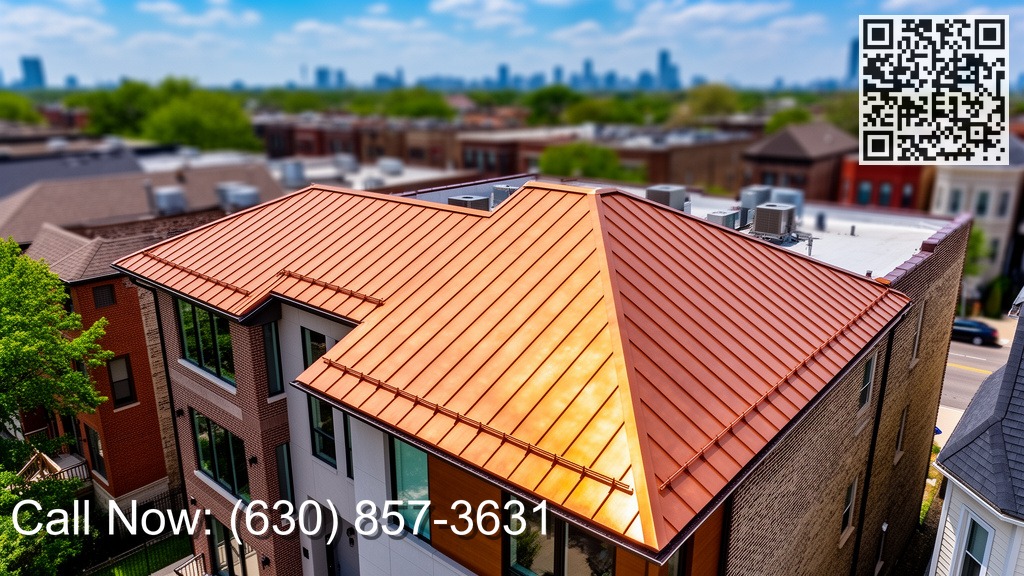
This comes up often in artificial roof Chicago tasks. Chicago and the surrounding suburban areas have a huge variety of real estate supply, from compact bungalows to steep-roofed historic homes to huge custom-made houses with complicated valleys, dormers, and converging roof covering planes. Synthetic materials can take care of that variety well, yet just if format and outlining are done thoughtfully.
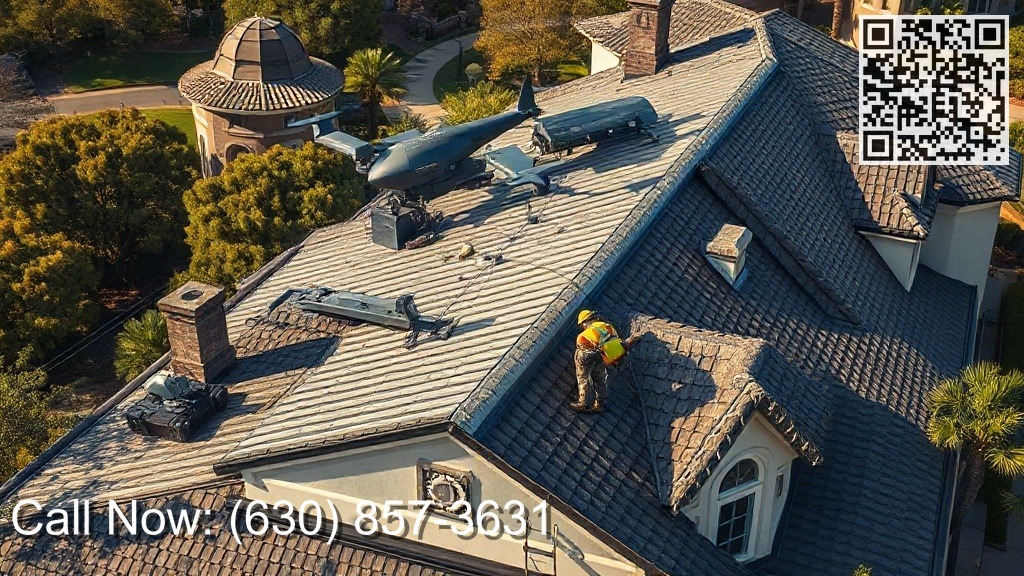
A knowledgeable synthetic roofer Chicagoland house owners count on will typically start by looking past the surface material. They evaluate attic room ventilation, deck condition, blinking at stonework transitions, rain gutter method, ice-and-water defense, and whether snow guards or specific accessory pieces make sense. They additionally pay attention to visual information. Exposure lines, starter positioning, ridge therapy, and shade choice can make the difference between a roof covering that looks refined and one that just looks expensive.
When people work with artificial roof installers based just on the lowest quote, troubles have a tendency to turn up in the details first. Misaligned courses, uncomfortable valley transitions, cheap flashing metals, and inconsistent attachment patterns have a way of emerging within a couple of seasons.
Maintenance truths over time
One of the biggest arguments for synthetic roofing system replacement is reduced upkeep compared with all-natural cedar or slate. That debate is typically fair, but it should be specified carefully.
Synthetic roof coverings are reduced maintenance, not no maintenance. Seamless gutters still need cleaning. Valleys still collect debris. Flashings still are entitled to regular examination. Sealers around related roof infiltrations will not last permanently even if the field product is artificial. Branches scratching the roof covering can still create aesthetic wear. Ice dam issues can still create if the attic room is poorly insulated and ventilated.
What changes is the vulnerability of the field product itself. An artificial slate or drink product is commonly much less likely to divide, rot, delaminate, or crack under average seasonal stress and anxiety than natural timber or stone options. For several homeowners, that reduced maintenance account is the point. They desire the architectural look without having to baby the roof.
Cost, and where people usually misinterpret value
It is easy to contrast roofing proposals by checking out the total amount at the end of the page. It is harder, and more useful, to compare worth over twenty or thirty years.
Synthetic roof coverings usually set you back much more upfront than common asphalt tiles. They usually set you back much less than top-tier natural slate or premium cedar installations, especially when you factor in structural support, specialized labor, and lasting maintenance. That positions building synthetic roof covering in a middle-to-upper rate that interest property owners planning to stay, protect aesthetics, and decrease lifecycle headaches.
The blunder I see usually is treating every artificial alternative as if it belongs in the same bucket. It does not. There is an actual spread in product high quality, density, realism, service warranty terms, and accessory efficiency. Some producers use durable system-based bundles. Others generally offer area roof shingles and leave installers to improvise edge and detail conditions. That can impact both appearance and durability.
For a property owner comparing proposals, one of the most valuable concerns normally include the entire system, not simply the noticeable roof shingles or tile.
- What underlayment plan is consisted of, especially at eaves, valleys, and penetrations?
- Are flashings being changed totally, or reused where convenient?
- Does the installer have purposeful experience with this particular synthetic product?
- Are ridge, hip, and starter devices matched to the system?
- How will certainly ventilation be attended to as part of the replacement?
Those responses commonly reveal more about lasting value than the product tag alone.
Where standard products still make sense
It would certainly slouch to make believe synthetic roofing systems are always the best solution. They are not.
For a stringent historic repair, natural materials might be needed or merely better suited. Some landmarked homes should have actual slate or cedar because that becomes part of their architectural identification. In various other cases, a property owner may genuinely value the patina and aging attributes of natural materials, even understanding the added upkeep they bring.
Budget additionally matters. If a family requires a reliable roofing at the most convenient ahead of time expense, a well-installed asphalt system might be one of the most sensible option. There is absolutely nothing inherently incorrect with that said. Roofing decisions ought to fit both your house and the house owner's priorities.
There are additionally design constraints. Some homes do not benefit from a synthetic slate or shake profile since their style is also simple, too low-pitched, or also modest in range for that material language to look natural. A roofing must boost your house, not costume it.
Where synthetic roof often tends to shine
The greatest candidates for domestic artificial roof are homes where look matters, storms are a concern, and the proprietor wants a longer-term product without the weight and upkeep of standard high-end products.
That frequently includes custom-made homes, upper-end rural residences, renovated historic-looking residential or commercial properties, and residences with complicated roof covering geometry where cedar or slate would certainly drive prices greatly higher. It likewise consists of home owners that have currently lived through the disadvantage of another product. Somebody who has changed storm-damaged asphalt twice https://paxtonkcxa762.northstarcolumn.com/posts/synthetic-roofing-system-setup-tips-for-houses-revealed-to-snow-and-wind in fifteen years, or invested years maintaining an aging cedar roofing system, has a tendency to recognize the allure quickly.
In the Chicago region, synthetic roof have actually found a particularly great fit on homes that want the aesthetic personality of quaint materials while standing up far better to hail, wind, and winter months wetness. That holds true from city areas with masonry-heavy design to western suburban areas where big homes rest revealed to weather throughout open lots.
Choosing the best contractor in the Midwest
The product decision and the specialist choice must occur together. A wonderful product on the incorrect home, or in the incorrect hands, can dissatisfy. A thoughtful service provider tightens that danger by matching item, incline, flashing method, air flow, and aesthetic details to the real property.
A qualified synthetic roofer should have the ability to discuss why one item is a far better fit than one more without slipping into sales clichés. They should chat easily concerning freeze-thaw conditions, ice protection, attic airflow, ridge details, snow shedding actions, and serviceability years down the road. They need to additionally have a portfolio with homes similar to yours, not simply generic supplier photos.
For home owners contrasting an artificial roofing business against traditional roofers that just periodically mount synthetics, experience issues. This group of roof covering is mature sufficient now that there is no factor to accept on-the-job experimentation.
The Midwest verdict
Architectural artificial roof has earned its area due to the fact that it responds to a real local demand. It gives property owners a way to catch the depth and distinction of slate, shake, or ceramic tile aesthetics without taking in every drawback those materials can carry in a Midwest climate. It is not the most affordable path, and it is not always the most traditionally genuine route. However it is frequently one of the most balanced one.
For many homes, especially those looking for premium aesthetic charm and useful longevity, artificial roofing systems supply a compelling center path. They reduce weight, often improve effect resistance, and lower routine upkeep while protecting a premium architectural appearance. When coupled with a solid design fit and a self-displined synthetic roofing system installation, the result can be a roof that feels both substantial and sensible.
That equilibrium is what makes artificial roof covering Chicago house owners progressively request for, and what maintains it growing throughout the wider region. In an environment that reveals every weak point sooner or later, equilibrium issues. A roofing system needs to look right, however it additionally needs to keep confirming itself after the uniqueness is gone, after the storms come through, and after one more winter works out over the Midwest.
When Quality Matters
Salvo Architectural Roofing Contractors
566 West 5th Ave Naperville, IL 60563
(630) 857-3631
 Ask ChatGPT
 Ask Grok
 Ask Perplexity
 Ask Claude
 Ask Google AI
 Ask You